Why Bitcoin’s Rise Could Change Everything About the U.S. Dollar
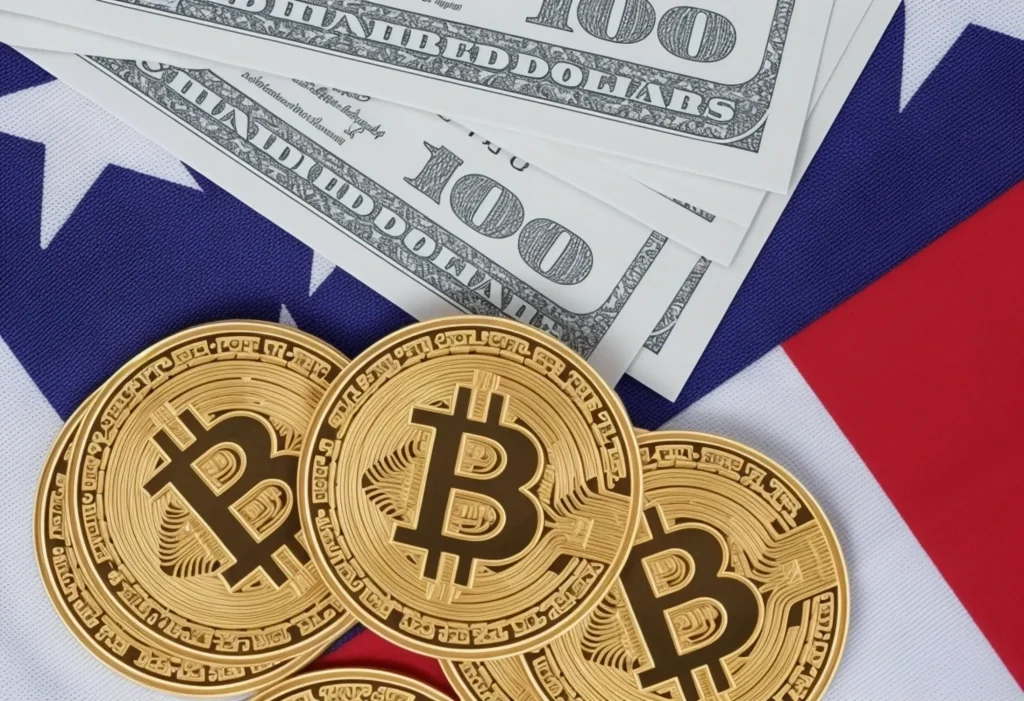
As Bitcoin’s influence expands, understanding its implications on the U.S. dollar is crucial for anyone interested in finance and investment. The evolving relationship between Bitcoin and traditional currencies may reshape economic landscapes, prompting us to rethink fiscal policies and financial security in the near future.
The Impact of Bitcoin on Global Currency Dynamics
Bitcoin is not just a digital asset; it poses a serious threat to the dominance of national currencies, particularly the U.S. dollar. As countries begin to embrace Bitcoin and other cryptocurrencies, the longstanding position of the dollar as the global reserve currency could be jeopardized. Numerous analysts predict that as more individuals and businesses adopt cryptocurrencies, we might see a shift away from traditional banking systems towards more decentralized models. This transition could lead to a significant decline in the influence and value of the U.S. dollar, which historically has benefited from its status as a safe-haven currency as noted by industry experts.
Moreover, the potential decline of U.S. dollar dominance raises questions about global finance. Economic relationships among countries may shift, affecting trade, investment flows, and even geopolitical power balances. As Bitcoin garners acceptance, it could provoke a reevaluation of existing monetary policies. Governments might redesign their financial frameworks to accommodate this new asset class, further complicating the dynamics of global currency. Ultimately, Bitcoin’s rise is not merely about a new form of currency; it signifies a turning point that could alter global economics for decades to come.
Understanding Bitcoin vs U.S. Dollar
The comparison between Bitcoin and the U.S. dollar highlights key differences between these two forms of currency. Firstly, Bitcoin is a decentralized digital currency, while the U.S. dollar is a centralized fiat currency controlled by the Federal Reserve. This fundamental distinction underpins the broader debate surrounding cryptocurrency adoption. Critics of Bitcoin argue that its volatility and lack of inherent value make it a risky investment. However, advocates claim that Bitcoin serves as an effective store of value, particularly in times of economic uncertainty.
Bitcoin’s supply is capped at 21 million coins, presenting a stark contrast to the dollar, which can be printed at will by the government. This incorruptibility positions Bitcoin as a potentially better hedge against inflation, appealing to those who fear traditional currencies losing their value due to excessive money printing. As the dialogue around Bitcoin evolves, understanding its advantages and disadvantages compared to the U.S. dollar becomes paramount for investors and policymakers alike.
Recent Trends in Cryptocurrency Economics
Understanding the recent trends in cryptocurrency economics is critical. Bitcoin prices have been influenced by various events such as regulatory announcements and macroeconomic indicators. The role of institutions is increasingly prominent as more hedge funds and corporations diversify their portfolios by adding Bitcoin. For instance, major companies have acknowledged Bitcoin’s market capitalization and potential for long-term growth, signaling a shift in traditional investment strategies.
However, the impact of regulatory bodies cannot be overlooked. Governments worldwide are starting to establish clear regulations for the cryptocurrency market, which may either facilitate or hinder Bitcoin’s growth. Although regulatory clarity can provide legitimacy, it may also impose limitations that traditional currencies do not face. By analyzing market capitalization trends relative to the U.S. dollar, investors can better gauge the health and future prospects of Bitcoin against traditional fiat currencies.
Tucker Carlson’s View on Bitcoin’s Growth
Media perception plays a vital role in shaping public sentiment towards cryptocurrencies, and Tucker Carlson’s opinions on Bitcoin have recently attracted attention. In a recent discussion, Carlson posed the question of whether Bitcoin could replace the declining U.S. dollar, highlighting concerns about the dollar’s future according to a report.
His commentary underlines the broader implications of Bitcoin’s growth in mainstream media, contributing to the legitimacy of cryptocurrencies among skeptical audiences. Mainstream commentary like this can significantly influence investor confidence and public perception, making it essential to monitor how such statements affect Bitcoin’s adoption rates.
Economic Predictions for 2026
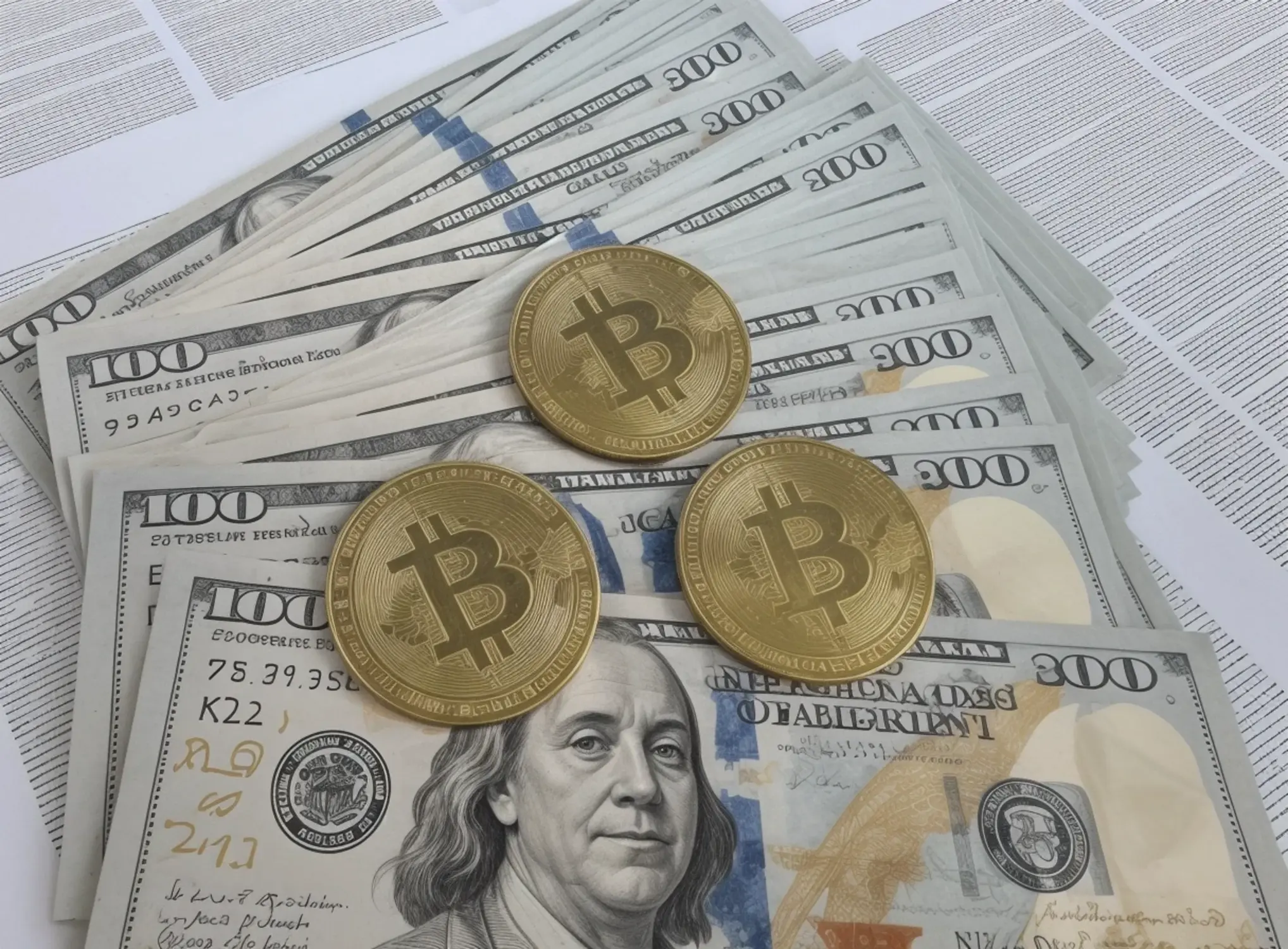
As we look toward 2026, predictions regarding Bitcoin’s future are becoming a focal point of discussion among economists and investment strategists. Several experts believe that Bitcoin’s market presence will expand, making it a more recognized asset class. Factors influencing Bitcoin’s future value include its adoption by financial institutions, potential regulatory changes, and macroeconomic trends such as inflation rates and currency devaluation.
However, challenges remain. The cryptocurrency market is particularly vulnerable to volatility, which may shake investor confidence and market stability. Furthermore, as Bitcoin gains traction, competing cryptocurrencies may emerge, potentially fragmenting the market. It is imperative for investors to stay informed and consider these variables when strategizing for the future of Bitcoin versus the U.S. dollar.
What Individuals Can Do to Prepare
To effectively position themselves in the evolving landscape of cryptocurrencies, individuals must adopt strategies for responsible investment. Engaging with cryptocurrencies like Bitcoin requires a clear understanding of the risks and rewards associated with market fluctuations. Here are some strategies to consider:
– Educate Yourself: Knowledge is key in navigating cryptocurrencies. Follow reliable news sources and market analysis to stay updated on trends.
– Diversify Investments: Avoid putting all your assets into Bitcoin. Consider other cryptocurrencies and traditional investments to spread risk.
– Set Realistic Goals: Understand your financial goals. Determine your risk tolerance and set investment horizons based on that.
As Bitcoin evolves, the importance of staying informed about innovations in the cryptocurrency space cannot be overstated. Resources such as online courses, financial podcasts, and investment communities can provide valuable insights to help navigate this complex landscape.
About The Author