How Iranians Are Using Bitcoin to Survive Economic Chaos
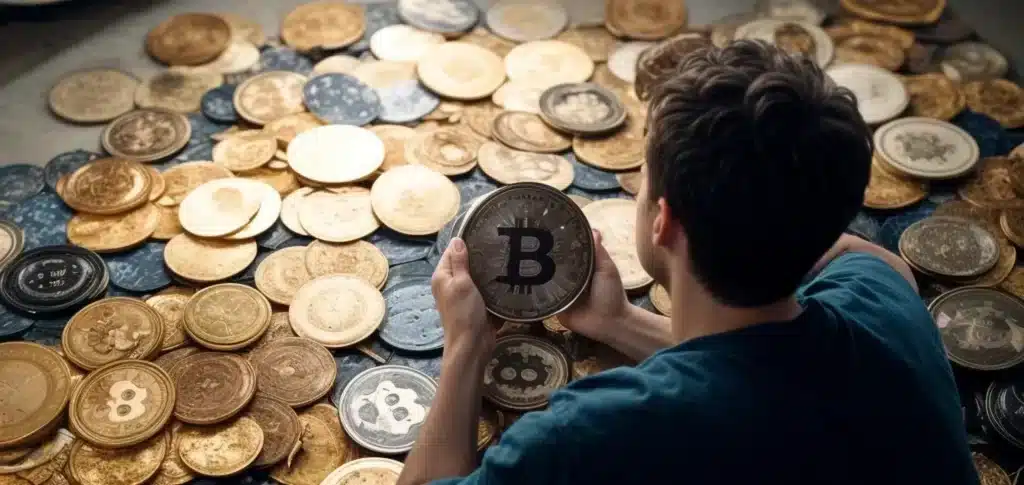
Amidst severe economic upheaval, many Iranians are turning to Bitcoin as a lifeline, navigating hyperinflation and sanctions. The shift towards a crypto economy reveals not just a survival tactic but a fundamental change in financial behaviors in response to crises.
Deepening Economic Crisis in Iran
The economic landscape in Iran has shifted dramatically in recent years, marked by soaring hyperinflation and strict economic sanctions. As inflation rates have skyrocketed, the purchasing power of the Iranian rial has plummeted, leading to significant hardships for everyday families. For example, a recent analysis noted that basic goods have become increasingly unaffordable, compelling families to make difficult choices about necessities (according to recent reports).
Furthermore, the impact of international sanctions has weakened the currency’s value even more, establishing an economic environment where saving money has become virtually impossible. Personal accounts from everyday citizens reveal how they struggle to keep their heads above water amid these pressures. Many have documented their experiences on social media, openly discussing the pain of watching prices rise daily while their income stagnates, highlighting the desperate need for alternatives.
The Rise of the Crypto Economy in Iran
In light of these economic challenges, an increasing number of Iranians have embraced cryptocurrencies, particularly Bitcoin, as a viable escape from their financial distress. With a growing interest in these digital assets, many see Bitcoin as an alternative to traditional banking systems that are failing to meet their needs. Reports indicate that Iran’s crypto economy has surged to around $7.78 billion, reflecting a significant shift in how people interact with money (as industry experts note).
Bitcoin is particularly appealing because it offers a degree of anonymity and independence from state-controlled financial systems, which many Iranians have learned to mistrust. Comparatively, countries like Venezuela and Argentina have also seen similar trends in cryptocurrency adoption during economic crises, showcasing a global phenomenon where vulnerable populations turn to Bitcoin and other digital currencies for financial solace.
Bitcoin’s Role as a Financial Refuge
Bitcoin has begun to manifest itself in the daily transactions of Iranians, evidenced by its role in purchasing everything from groceries to services online. With traditional banking often inaccessible due to sanctions, many are increasingly turning to Bitcoin for transactions. Its decentralized nature offers individuals a means to bypass conventional financial systems and avoid the painful fluctuations of the rial.
The advantages of using Bitcoin extend beyond mere financial transactions. Stories abound of individuals who have successfully converted their savings into Bitcoin, effectively insulating themselves from local economic turmoil. These success stories are inspiring others to explore cryptocurrency as a solution to their financial predicaments.
Government Responses to Cryptocurrency
As the use of Bitcoin becomes ubiquitous, Iranian authorities have taken notice. Initially, there were waves of repression aimed at crypto-related activities; however, recent trends indicate a more tolerant approach. The government is in discussions about potential regulations, recognizing the growing importance of maintaining some control over such a rapidly evolving market.
Comparatively, other governments, including China and the United States, have adopted various regulatory frameworks attempting to harness the power of cryptocurrency while curbing its potential risks. The future regulatory landscape in Iran remains uncertain but is likely to evolve alongside the global crypto economy.

Risks and Challenges of Using Bitcoin
Despite its promise, using Bitcoin is not without its risks. Security remains a primary concern for users, with digital wallets sometimes vulnerable to hackers. Iranians unfamiliar with cryptocurrency may face steep learning curves as they navigate this new financial territory. It’s essential to promote awareness and education surrounding security practices among potential users to mitigate these risks effectively.
Additionally, Bitcoin’s volatility could lead to financial instability for new users. A dip in value could erase gains rapidly, raising the stakes for those converting their savings from local currency into digital assets. Hence, a balanced approach to investing in Bitcoin is crucial.
Future of Cryptocurrency in Iran
Looking ahead, predictions suggest that the crypto economy in Iran will continue to expand, driven by ongoing economic instability and the potential for increasing accessibility to information and resources surrounding cryptocurrency. Emerging trends indicate that more individuals will seek to educate themselves and invest cautiously in Bitcoin.
International developments, such as shifts in sanctions or global market trends, will undoubtedly influence Iran’s crypto landscape. As more governments recognize the value of cryptocurrency, their strategies towards regulation may also inspire similar reactions in Iran.
Ways to Get Involved in the Crypto Economy
For those looking to dive into the crypto economy, several resources can facilitate this journey. Online platforms offering educational content about cryptocurrency can help users gain the knowledge needed to invest wisely. Additionally, community initiatives, such as local meetups and forums, can provide support for newcomers to Bitcoin and cryptocurrency.
Guidelines for safely investing in Bitcoin are essential for users who wish to navigate this landscape confidently. Individuals should first conduct thorough research, remain connected with market trends, and understand the associated risks. By adopting a cautious strategy, potential users can find meaningful ways to secure their financial future through Bitcoin.
About The Author